
Tales From the Silk Roads - Karakorum
A Mechanical Marvel, Fashioned With Elegance and Whimsy

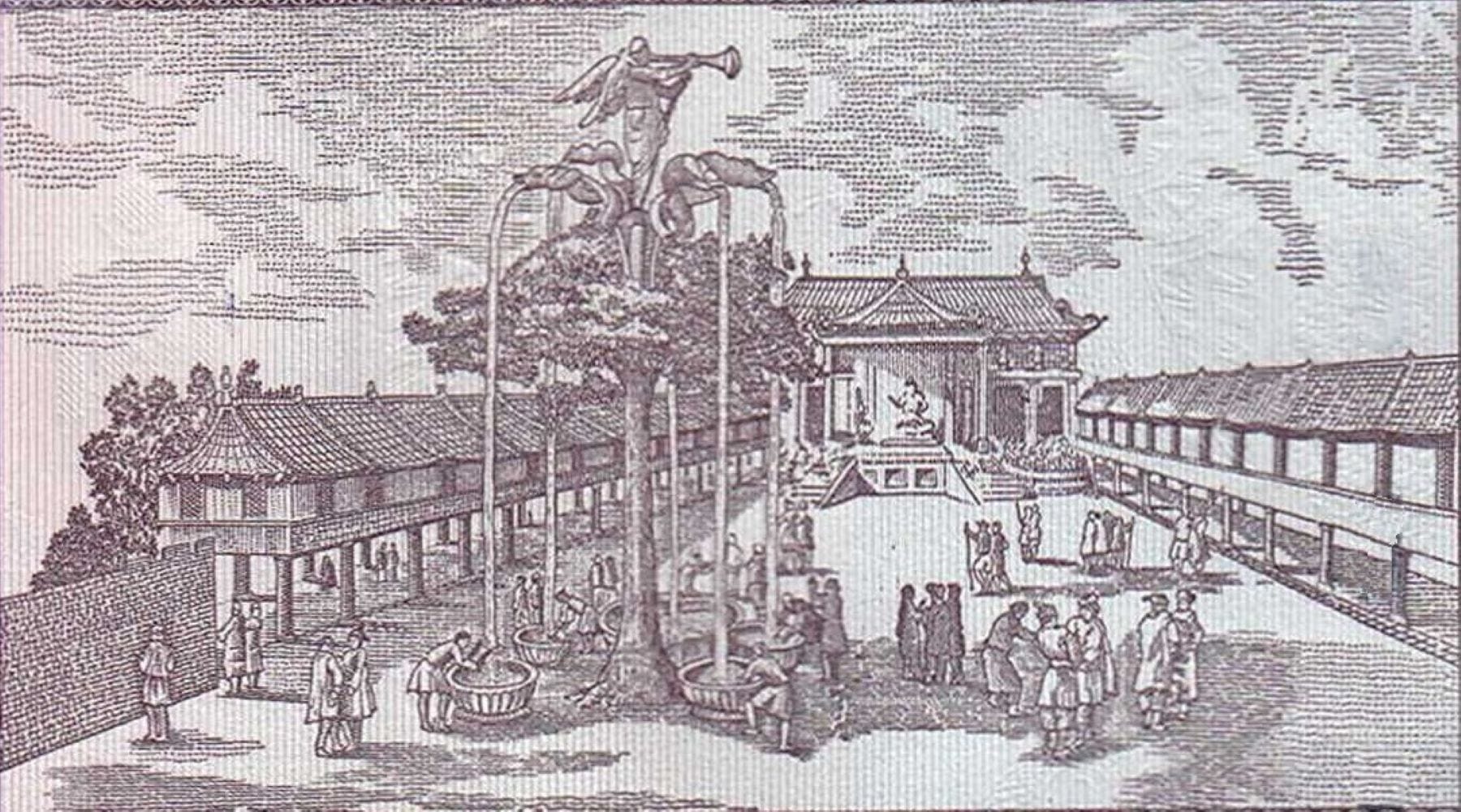
Whenever Genghis Khan and his successors ran roughshod over the great Central Asian oasis cities of the Silk Roads, they spared the local artisans and engineers. These captive craftsmen built the infrastructure the Mongols needed to continue their conquests - bridges, dams, siege weapons, and so on. But sometimes works of aesthetic renown also adorned the ruling courts, beginning with the first permanent Mongol capital city of Karakorum.
The contraption pictured above, known as The Silver Tree, was crafted by one such enslaved master craftsman, Guillaume Boucher. Boucher was a Parisian silversmith pressed into service to fashion this automated marvel. Given how the Mongols vanquished their enemies, he might have been grateful for his lowly status. At least, it would seem, he was able to practice his craft and keep his life. In doing so, he gave the Asian world a fantastic gift.
Unique Mongol Hospitality
The Silver Tree stood in the palace courtyard. The branches extended into the palace rooms. Silver fruit hung from the limbs and the trunk was entwined with golden serpents. When the khan wished to provide ayrag, the preferred Mongol alcoholic beverage, for his guests, a trumpeting mechanical angel placed at the top of the tree blew on its horn. At that signal, the serpents gushed the ayrag from their mouths into a large silver basin at the base of the tree.
Cosmopolitan, Religiously Tolerant
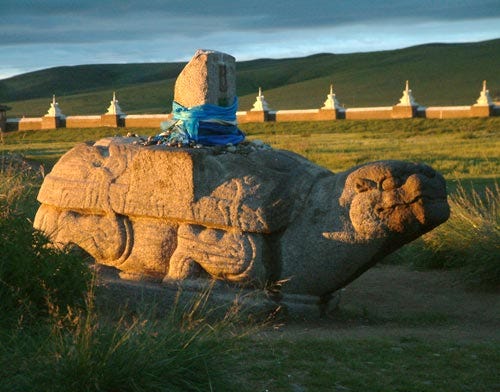
In 1254 AD, Flemish Franciscan William of Rubrick, missionary and papal envoy to the Mongolian Empire, reached Karakorum. He wrote detailed accounts of his time there, comparing it unfavorably to Europe’s cities, although he found it cosmopolitan and religiously tolerant. He described the great silver tree, the four gates into the walled city, each facing one of the cardinal directions, and also noted twelve pagan temples, two mosques and one Nestorian Christian church.
A Major Site of World Politics
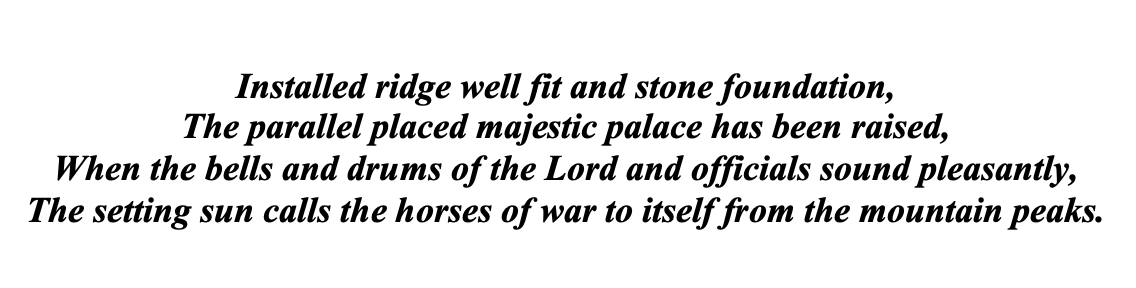
Karakorum rose in stature, attracting pilgrims, diplomats and travelers. The palace was enlarged and the stupa temple completed during Mongke Khan’s rule. Its palace was dubbed “Tumen Amgalong Ord” or, Palace of Myriad Peace. One of Genghis Khan’s ministers recited the following poem at the ridge raising ceremony:
Karakorum was replaced as the capital city in 1260 by Kublai Khan, who decreed the new capital of Shongdu (Xanadu). Thereafter, Karakorum became an administrative outpost. After it fell into ruin, some of its architectural artifacts were used in building the nearby Erdene Zuu Monastery, which still stands today.